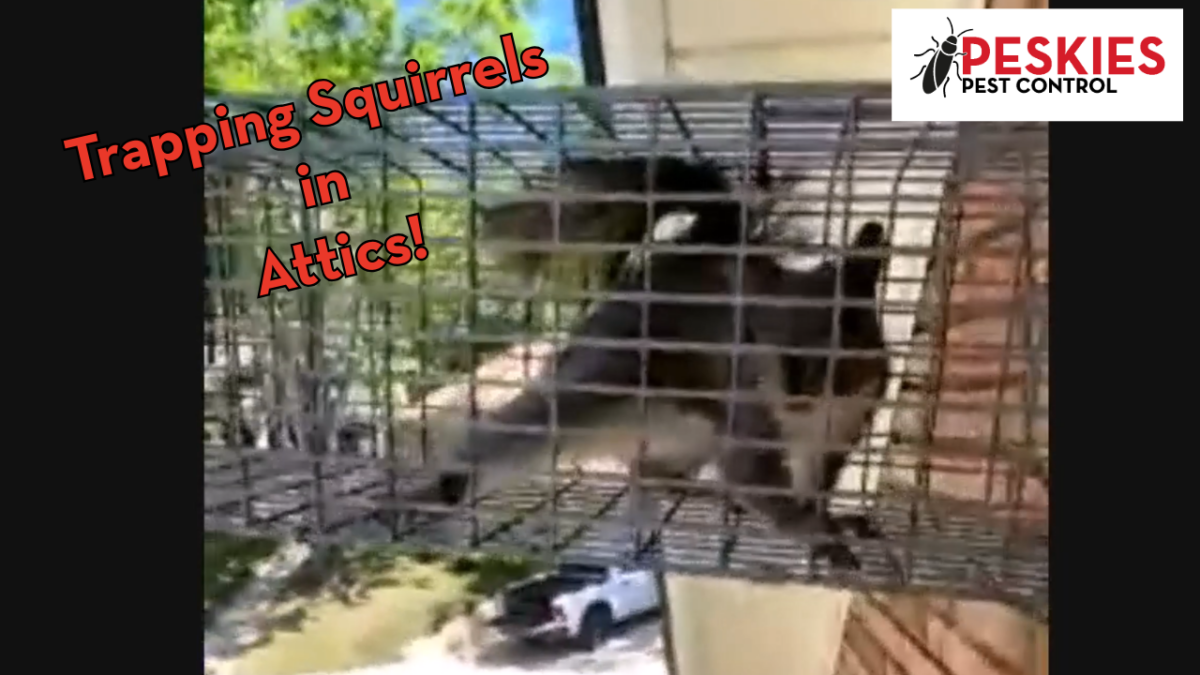
When squirrels move into your attic, they aren’t just unwelcome guests—they are a serious threat to your home’s structural integrity. In a recent live field demonstration, Travis McGowin and Michael Wienecke of Peskies Pest Control showcased the realities of wildlife removal and the specialized tactics required to keep your property safe.
How Squirrels Access Your Roof
During the inspection, Michael demonstrated that squirrels are incredibly resourceful climbers who can turn almost any architectural feature into a pathway:
Brick Siding: Squirrels use the texture of brick and mortar as a “ladder” to reach high entry points.
Gable Vents: These are prime targets; on this property, rodents chewed through the wood and screens to break into the attic space.
Tree Bridges: A branch as far as 6 to 10 feet away can serve as a jumping platform for a squirrel to reach your roofline.
Chimneys and Decks: These structures often provide the necessary height for a rodent to hop onto the main roof.
The Real Cost of Rodent Damage
Squirrels have a biological need to gnaw on hard surfaces to keep their teeth sharp and managed. This behavior leads to several risks for homeowners:
Structural Breaches: They easily chew through vinyl, wood, and fine mesh screens.
Interior Havoc: If an animal is trapped inside during a repair, it may chew through sheetrock to enter the living quarters, resulting in extensive damage.
Professional Removal Strategies
Peskies Pest Control utilizes a “one-way door” trapping system to humanely and effectively clear a home:
Stable Mounting: A trap must be completely secure; squirrels will avoid any device that feels unstable or shaky.
The One-Way Exit: This device allows the squirrel to leave the attic and enter a cage, but it prevents them from turning back around to get back inside.
The Transfer Method: Caught rodents are moved to a secondary cage so the main trap can stay in place to catch any remaining family members.
Safety Tips for DIY Inspections
If you are checking your own roofline for damage, Michael and Travis emphasize professional safety standards:
Three Points of Contact: Always have two feet and one hand (or vice versa) on the ladder at all times.
Personal Protective Equipment (PPE): Use a respirator in the attic to avoid inhaling dust, insulation particles, or waste from the rodents.
Avoid Bare Hands: Wild squirrels have powerful bites and sharp claws; they should never be handled without professional-grade gloves and equipment.
The Monitoring Phase
Catching one squirrel is rarely the end of the job. Experts recommend a two-week monitoring period with zero activity or new catches before sealing the entry holes. This ensures no animals are accidentally entombed in your attic, which could lead to further damage and unpleasant odors.
Is Your Home Under Attack?
If you reside in the Montgomery areas and hear scratching in your walls or attic, contact the pros at (334) 595-9055. We provide expert wildlife and pest solutions with a simple promise: You’ll be 100% happy, or you won’t pay a penny!