Crane Flies in Montgomery, Alabama: Harmless Giants, Not Mosquitoes!
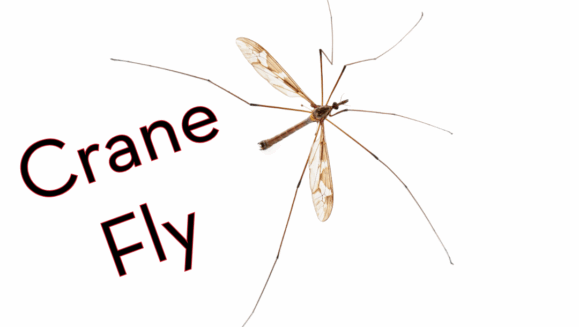
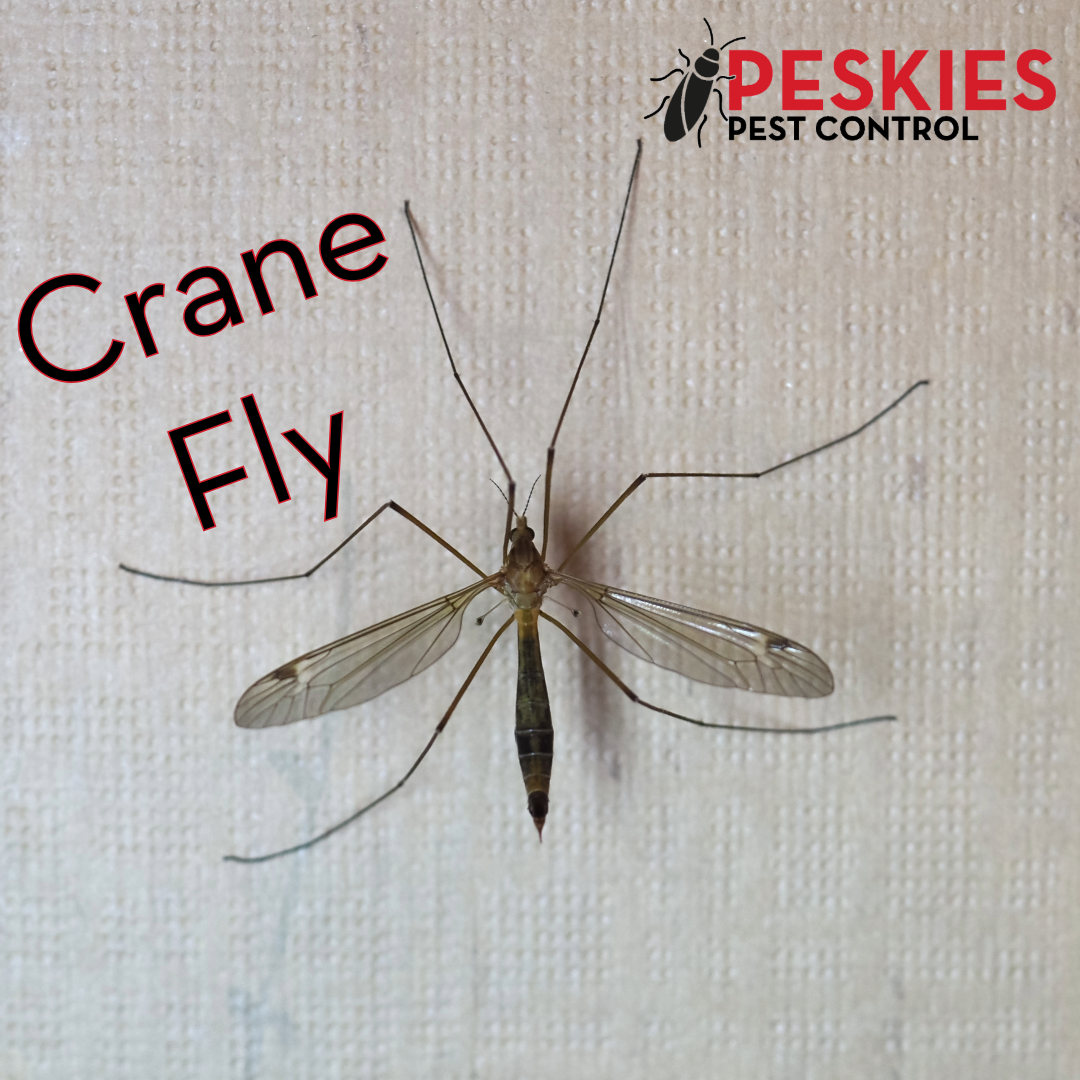
Often mistaken for giant, aggressive mosquitoes, crane flies are a familiar sight buzzing around homes in Montgomery, Alabama, especially after a good rain. Despite their large, often intimidating appearance and somewhat clumsy flight, these fascinating insects are fundamentally different from mosquitoes and pose absolutely no threat to humans or pets. Understanding the truth about crane flies can help you rest easy.
Debunking the Myth: Not Your Average Biter
The most crucial fact about crane flies is this: they do not bite. Unlike mosquitoes, crane flies do not feed on human or animal blood. In fact, adult crane flies have an incredibly short lifespan—typically just 10 to 15 days—during which they consume very little, if anything at all. Their primary focus during this brief adult stage is reproduction. So, while their erratic buzzing might be a little annoying, rest assured, they are completely harmless.
Nature’s Decomposers: Their Role in the Ecosystem
Crane flies play a vital, beneficial role in our local ecosystem. Their larvae, often called “leather jackets” due to their tough, brownish, worm-like appearance, are excellent decomposers. They live in the soil, feeding on organic matter and helping to return valuable nutrients to the earth.
Once they mature into adults, crane flies become an important food source for a variety of local wildlife. Birds, bats, fish, and other insects all prey on these flying insects, especially when crane fly populations are abundant. It’s a natural cycle that helps keep our ecosystem balanced.
Where They Thrive & When to See Them
Crane flies typically lay their eggs near moist areas or water sources, such as marshes, ponds, and even damp lawns, which are ideal for their larvae to develop. Here in Montgomery, you’ll most commonly see crane fly populations boom during the spring and fall. While some species, like the European crane fly, might also emerge in late summer, their general behavior and harmless nature remain consistent across different types.
Minor Nuisance: Potential Lawn Damage
While adult crane flies are entirely benign, their larval stage can, on occasion, cause minor damage to lawns and gardens. These “leather jackets” spend about 90% of their lives underground. If present in large numbers, they can feed on plant roots, potentially leading to patches of discolored or thinning grass. For those who prioritize a perfectly manicured lawn, this might become a slight nuisance, but it’s generally a localized and manageable issue.
The Takeaway: The next time you spot a large, mosquito-like insect fluttering around your home in Montgomery, Alabama, remember it’s likely a harmless crane fly. Let them buzz, and know they’ll soon be gone, having played their small but important part in nature’s grand design.
Listen to our podcast about crane flies! CLICK HERE!
Follow us on YouTube! CLICK HERE!