Conquering Flea Infestations in Montgomery, Alabama: Your Guide to a Pest-Free Home
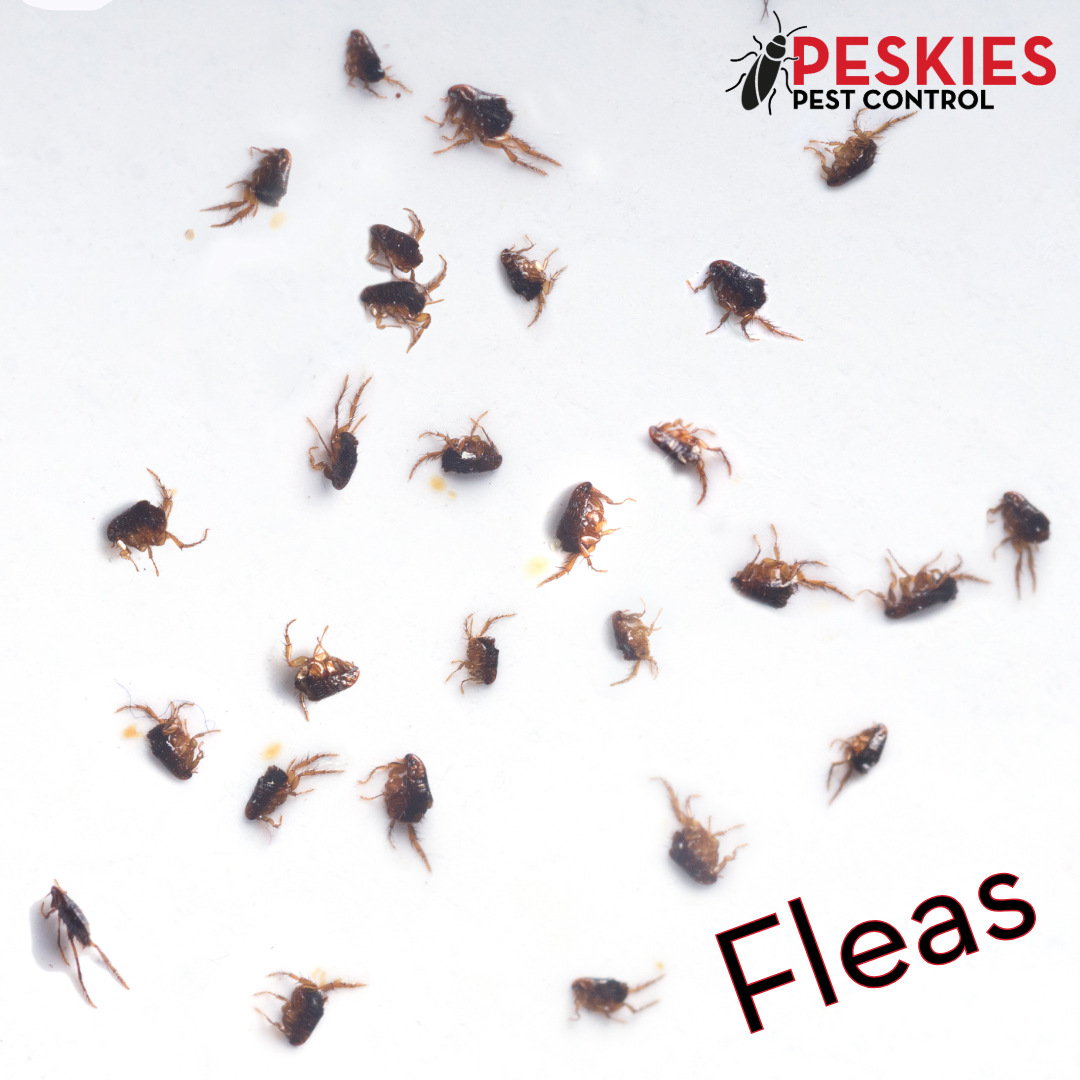
Flea problems can quickly turn into a major headache for homeowners in Montgomery, Alabama. What starts as a minor nuisance can rapidly escalate into a full-blown infestation, affecting not just pets but entire households. If you’ve been battling these tiny, jumping pests, you’re not alone. Let’s dive into why fleas are so challenging and, more importantly, how to get rid of them for good.
Understanding the Flea Problem: Fast and Furious Reproduction
The reason fleas are so persistent lies in their incredible reproductive rate. A single female flea can lay 4 to 8 eggs after each feeding, amounting to an astonishing 400 to 500 eggs in her lifetime! These eggs fall off pets (their primary food source) and onto carpets, furniture, and even cracks in hard flooring.
What makes flea infestations particularly tricky is their life cycle. Flea eggs can lay dormant for up to six months, waiting for the right conditions to hatch. This explains why fleas can suddenly appear in homes without pets, or even in vacant rental properties—they’re simply hatching from dormant eggs left behind. Fleas can also transfer from neighboring yards, making prevention an ongoing effort.
Your Action Plan: Eradicating Fleas Effectively
Tackling a flea infestation requires a multi-pronged approach. Here’s what actually works:
- Prioritize Pet Treatment: The absolute number one step in flea control is ensuring all pets in your home are on a regular, effective flea treatment regimen prescribed by your veterinarian. Pets are the main food source for adult fleas, and treating them is crucial to breaking the cycle.
- Professional Indoor Treatment: For existing indoor infestations, a professional pest control service is highly recommended. At Peskies Pest Control Montgomery, our successful program involves:
- Preparation: Ensuring the house is empty of people and pets during treatment.
- Thorough Vacuuming: Meticulously vacuuming all floors and upholstered furniture using a specialized pest control vacuum that effectively traps fleas and eggs.
- Two-Part Liquid Application: Applying a dual-action liquid treatment. This includes an adulticide to immediately kill adult fleas and an Insect Growth Regulator (IGR). The IGR is key, as it prevents flea larvae from maturing, effectively breaking their life cycle and providing long-term control.
- Post-Treatment Care for Lasting Results: Following treatment, diligence is key:
- No Mopping: Avoid mopping hard floors for a period to allow the treatment to work effectively.
- Daily Vacuuming: Continue to vacuum all floors daily for several days after treatment. This helps stimulate dormant eggs to hatch, exposing them to the IGR, and removes any newly emerged fleas.
- Proper Disposal: Immediately dispose of all vacuumed debris in a sealed bag in an outdoor garbage can to prevent reinfestation.
- Considering Outdoor Treatment: If your pets spend a lot of time outside or you suspect fleas are coming from your yard, outdoor treatments for your lawn can be a valuable addition to your overall flea control strategy.
- A Simple DIY Tip (for monitoring/minor issues): For a quick, temporary measure, especially for monitoring, try this: Place a shallow baking pan filled with water and a few drops of dish soap on the floor. Position a lamp directly over the pan. Fleas are attracted to the light and heat, jump towards it, and get trapped and drown in the soapy water.
Flea problems in Montgomery, Alabama can be incredibly frustrating, but with the right methods and consistent effort, you can regain control of your home. Don’t let these tiny pests take over—a flea-free environment is achievable!
Listen to our podcast about fleas! CLICK HERE!
Follow us on YouTube! CLICK HERE!